



Article
The Development of Islam in Japan

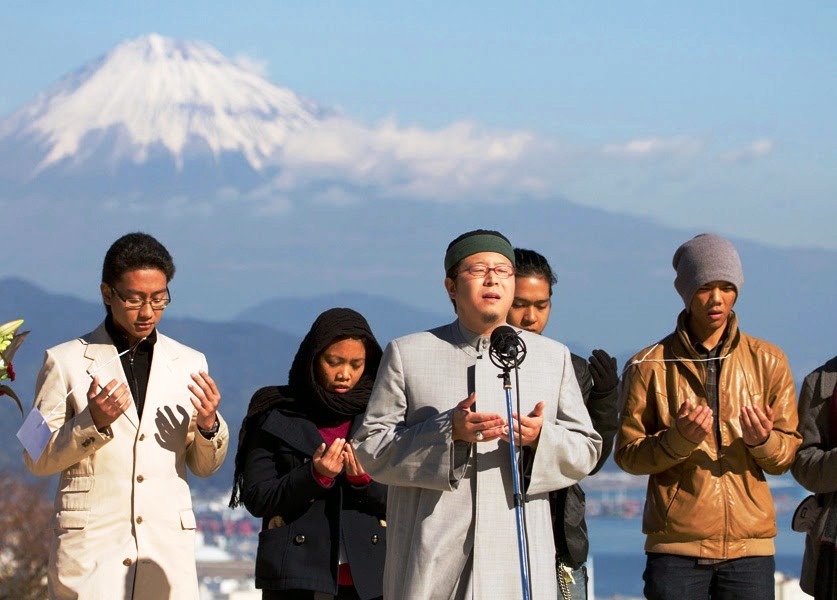
Islam, as a world religion with global reach, has reached various parts of the world, including Japan. Although the number of Muslims in Japan is relatively small compared to the majority of the population who adhere to Shinto and Buddhism, the development of Islam in the Land of the Rising Sun has a fascinating history.
The presence of Islam in Japan can be traced back to the 19th century, when several merchants from Muslim countries came to trade and stay temporarily in Japanese ports. However, the more significant development of Islam began in the early 20th century, when several Japanese individuals converted to Islam after studying and traveling abroad, particularly to Muslim countries. In the 1930s, small movements emerged to promote Islam and translate sacred texts into Japanese.
In 1941, the American occupation of Japan brought increased contact between Japanese and Muslim communities, particularly through Muslim American soldiers. After World War II, some Muslim American military personnel chose to settle in Japan, further expanding the influence of this religion.
Contemporary Developments and Challenges
In the contemporary era, the development of Islam in Japan remains challenging, primarily because most Japanese people still have little understanding of the religion. Although several mosques and Islamic cultural centers have been established in various cities, Muslims still face difficulties in practicing their religion and living according to its teachings.
Furthermore, integration and cross-cultural understanding are also major challenges. Muslims in Japan often face stereotypes and prejudice, which can impact their relationships with the wider community. Islamic education and cross-cultural cooperation are key to overcoming these challenges.
The development of Islam in Japan reflects the dynamics of the country's growing multiculturalism. While the Muslim population may still be relatively small, this community continues to strive to build bridges of understanding and tolerance within broader Japanese society. With broader Islamic education and continued cross-cultural efforts, it is hoped that the development of Islam in Japan can become a success story in fostering harmony and diversity within a diverse society.



The increasing number of immigrants working in Japan also means that there are now more Muslims in Japan, right? And there are also more and more people who... Belajar Bahasa Jepang sepertinya.
Betul, Apalagi info terakhir populasi usia muda lagi turun drastis, mangkanya banyak perusahaan atau usaha mikro jepang buka lowongan besar besaran.